The Lead Gen Problem Nobody Talks About
Finding people online is easy. Finding the right people is where solopreneurs burn the most time.
You're scrolling Instagram bios, cold DMing strangers, digging through LinkedIn profiles. Two hours later, you've got nothing to show for it. No warm leads. No booked calls. Just a tired thumb and a lot of ignored messages.
As a solopreneur, you don't have a team handling research. It's just you. Which means wasted time on bad leads isn't just annoying, it's a business problem.
I've been there. And I finally found a better way.
What Is Lessie AI and Why Does It Matter for Solopreneurs
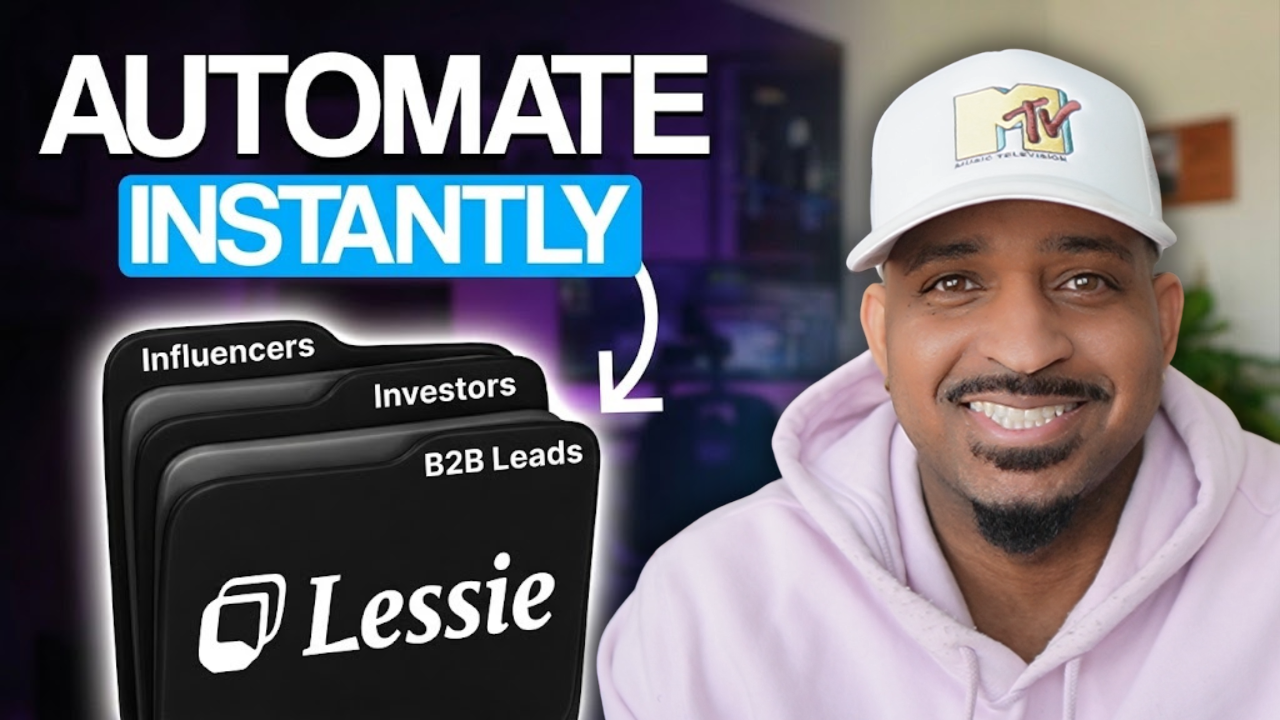
Lessie AI is an AI-powered lead generation tool that finds qualified contacts based on your specific goals. You describe the type of person you're looking for, and it pulls a focused, organized list of real people who already show signals that they need what you offer.
Think about what that means when you're running a one-person business. You're selling a course. Running an affiliate offer. Looking for brand deals or UGC clients. Or trying to connect with other creators to collaborate. Instead of guessing, you hand the research off to AI and let it do the heavy lifting.
No scraping tools. No technical skills required. No jumping between 10 different platforms hoping to stumble on the right person.
How to Use Lessie AI: A Full Walkthrough
Step 1: Write a Specific Search Prompt
This is where most people go wrong with AI tools. They're too vague. The more specific your prompt, the better your results.
Say you offer Instagram content strategy coaching or you have a digital product for beginners who want to monetize their personal brand. Instead of searching broadly, you write something like: find solopreneurs, side hustlers, and beginner content creators in the US on Instagram and LinkedIn who are trying to grow their audience and monetize their personal brand, particularly people posting about side income, financial freedom, or building an online business.
That level of specificity is the whole game. Lessie isn't just grabbing names. It's looking at context. What people post about, what they promote, what they mention in their bio, and matching that against what you're looking for.
Step 2: Review and Save Your Leads
Results come back organized. Names, roles, company info, location, and available contact details all in one place. You can click into individual profiles, review them, and decide who's a good fit.
With one click, you save them into a list inside the platform. You can build separate lists for different offers. One for your course launch. One for your affiliate push. One for potential collab partners. Everything stays clean and separated.
For solopreneurs juggling multiple income streams, that structure alone is worth the tool.
Step 3: Use the Reasoning Feature to Prioritize
This is the most underrated feature in Lessie AI. Once your list is built, the platform analyzes it and tells you who to prioritize first and why.
It looks at each profile and gives you a breakdown. The person's role, what they post about, how closely they match your offer, and a priority ranking. Instead of messaging 50 people the same generic way, you know exactly who to hit first and what angle to lead with.
That's how you turn a list into actual revenue.
Step 4: Export or Email Directly
When you're ready to take action, Lessie lets you export your list as an Excel or CSV file. Clean, organized, ready to drop into your CRM, Notion database, or Google Sheet.
But you can also send emails directly from inside the platform. You select your contacts, click write email, and Lessie generates a personalized outreach message based on your service and audience. The more specific your original prompt, the stronger the email it writes.
Your whole workflow, from finding the right people to starting the conversation, happens in one place.
What Makes Lessie AI Different From Other Lead Gen Tools
Most lead gen tools give you a massive list of contacts with no real context. You still have to manually sort through who's relevant and who isn't. You still have to guess what angle to use.
Lessie combines search, context analysis, prioritization, and outreach into a single workflow. It's not just a directory. It's a prospecting system.
And it only works with publicly available information. Professional profiles, public business contact details, things already visible online. No shady data scraping. No privacy issues.
Who Should Be Using Lessie AI
If you're a solopreneur doing any kind of outreach, this tool is for you. Specifically, it makes the most sense if you're selling a digital product or course, running affiliate offers and looking for warm audiences to pitch, offering UGC services or content creation, looking for brand deal partnerships, or trying to connect with creators in your space for collaboration.
If you're doing outreach manually right now and spending more than a couple hours a week on research, this is where that time goes.
The Bottom Line on Lessie AI
The solopreneur game is won by whoever can move the fastest with the least friction. Tools like Lessie AI let you operate at a level that used to require a whole sales team.
What normally takes days of manual research takes about 20 minutes. You walk away with a qualified list of people who already show signals they need what you offer, a prioritized outreach plan, and AI-written emails ready to send.
That's the kind of leverage that actually moves the needle when you're running a one-person business.
If you want to check out Lessie AI for yourself and find your next list of qualified leads. Link is below to visit the website!