As an affiliate marketer, having a steady source of traffic and an active email list is the holy grail for success. So where is the best place for you to get traffic and build your email list without breaking the bank with paid traffic?
One word: Udimi
Admit it. You thought I was going to recommend Facebook Ads or Google Adwords, didn’t you? If so, then think again. Don’t get me wrong. If you have experience with paid traffic and know what you’re doing, then those sources are great and can yield very good returns.
But, for the new affiliate marketer, it’s often too costly to learn paid traffic with those sources while you’re trying to get your business off the ground.
So, if you’re new to paid traffic and don’t mind starting in the minors before trying your shot at the big leagues (Facebook and Google ads) then this post is for you. I’ll be discussing what I call “the little engine that could” – Udimi.
In my opinion, it’s the absolute best place for new affiliate marketers to get traffic and build an email list through solo ads.
I started my affiliate marketing journey with Udimi and it works. Unlike Google Adwords or Facebook ads, It’s so simple that virtually anyone can use it and make money from it.
So let’s dive in!
Udimi Review: Best Place To Get Your Solo Ads?Published on: May 1, 2019
Summary:Udimi is the best solo ad market place to build your email list without breaking the bank with paid traffic.
What Are Solo Ads?
Are solo ads somehow different from “regular” ads? Yes and no. From a consumer standpoint, there is no difference in how a solo ad and a “regular” ad looks. Both are used to sell something to an audience.
If you use the internet and have an email address, there’s no doubt that you’ve seen solo ads on an almost daily basis. They are indistinguishable from a “regular” ad that arrives to your email. The term “solo ads” refers more to the process a marketer goes through to leverage an email audience than what the ad looks like.
According to Google, “…a solo ad is a marketing piece used in email marketing in order to get traffic, leads, and… eventually make sales.”
That’s it.
In the internet marketing world, solo ads are a super common way to turn a profit from an existing and established email list that someone else has built.
The process of creating solo ads is pretty easy because it’s collaborative. To create one, you first need to link with other affiliate marketers in a similar niche. It’s best to choose a similar niche for your audience because you want to make sure your offer provides value and you can gain business from it. For example, if you’re an affiliate marketer with a focus on fitness, you don’t want your offer going to an audience in the real estate space. You may get some lucky conversions but that’s a terrible business strategy.
After you get the all-clear from other email list owners, they send out an email with your offer to their list on your behalf. Remember, the purpose of a solo ad is to get your offer in front of an established audience to generate sales.
With that in mind, why would anyone in your niche ever agree to allow you to leverage their audience?
Good question.
Because it’s a common practice in the affiliate marketing world, using solo ads is a strategy that many of your peers have used or are using currently. While there are some internet marketers who are squarely opposed to using solo ads, many aren’t. In fact, at some point you can bet that as you begin to have success in the industry, you will be asked to help an up-and-coming affiliate marketer with solo ads too. You have to make a personal choice on whether or not you want to help a newbie out.
The good thing about solo ads is they are a cost effective (aka cheap) alternative to paid sources like Facebook ads and Google Adwords. Another bonus? Solo ads have much less restrictions on the type of things you can promote in your offers. This is especially helpful if you promote multi-level marketing (MLM) products as a part of your affiliate marketing business.
But, with every positive comes some drawbacks. Solo ads are tricky and they do not work in every industry or for every business. It’s trial and error to see if your business can benefit from them (hint, affiliate marketers LOVE solo ads because they work for us).
Also, if you are going to use solo ads for your business, you need to carefully consider the type of lists you decide to use to promote your offers. That’s because some marketers use shady tactics to build their email lists. Linking with them to launch your solo ads campaign may be a waste of time and money. Also, please know that some people go as far as using fake bots to artificially gain clicks as well. Obviously, you want to avoid people with those tactics.
Now that you know what solo ads are and how they are used, I’m sure you’re wondering exactly where can you find them. That is where Udimi comes in handy.
Udimi – The Holy Grail of Solo Ads
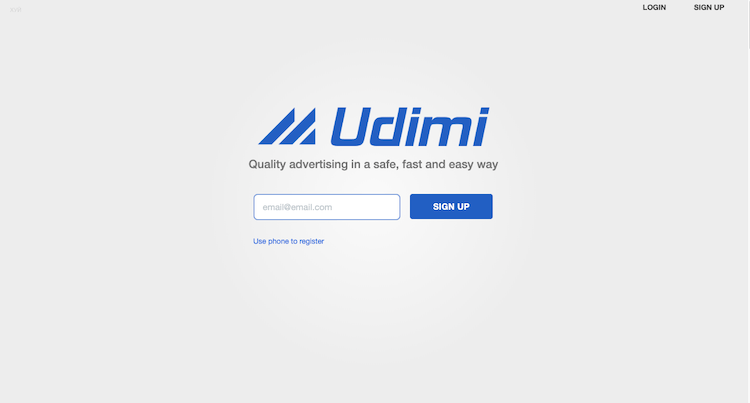
The best way to describe Udimi is that it’s like a brokerage for buyers and sellers of solo ads. The marketplace is free, it’s super easy to get started with and creating a solo ad is very easy.
After creating your Udimi account, the first thing you’ll want to do is find and click the “find sellers” link. There you will discover a collection of solo ad providers.

Udimi Pro Tip
A lot of newbies will just go with the first selection that the list provides. To find the best solo ad provider for your offers, I suggest using Udimi’s filter feature to categorize them. Make sure you read the seller profile as well to get more info about their list, where they get their leads and the niche/industry they serve.
The filter is important for a few reasons. First, it serves as a rating feature so every time a provider completes a transaction on the site, they are rated. (The seller gets a rating too so remember to maintain a professional profile to build your own rating while doing business on Udimi.) If you are familiar with Amazon’s rating feature, it works a lot like that for the seller. Over time, they will accumulate a number of ratings that will either skew their average positive or negative overall.
In order for you to choose the right seller for your audience, Udimi provides buyers the chance to see exactly how many positive and negative ratings each solo ads provider has.
To find a good seller, a good rule of thumb is to use the 80/20 rule. If they have 100 transactions with no more than 20 slightly negative reviews, then they are mostly likely safe. For me, slightly negative ratings include things that can be fixed. However, things like bad lists and fraudulent behavior are “deal-breaker negatives” for me. Even one review with that information is enough to knock a seller out of contention.
The next filter is probably the most important one. It’s the % of buyers filter. When a buyer reviews a seller’s transaction on Udimi, they get to report how many sales they got from the solo ads campaign, For a newbie marketer, that’s a very quick way to see if your money will be well spent. A good seller percentage is no guarantee of success, because the information is not verified. A buyer can inflate their numbers for their own personal gain. However, this info is your best shot at selecting a provider you’d like to collaborate with to increase your chances of success. You can find this information by hovering on the little money ($) symbol with a percentage sign (%) next to it.
If a seller has a score above 40% consistently, I generally take that with a grain of salt as that number doesn’t align with the average for email campaign open rates (21%) or success rates (usually 5-10% of the open rate). Anyone with a score of 20-30% consistently is a safe bet.
And finally, with any type of paid advertising you have to determine what fits your budget.
Udimi solo ads rates vary and are determined per click. Some providers list ad campaigns for as low as $0.20 – $0.35per click all the way up to $0.95per click. Yes, $0.20 per click sounds like a great per click rate, especially when compared to almost $1 per click. However, you have to take into consideration the type of audience linked to that lower price, the size of the audience and more.
You picked a seller. Great. Now how do you buy their solo ads?

Buying Solo Ads on Udimi
While in the seller’s profile, you can click anywhere and a box like this will appear:

That’s where you can set the minimum number of clicks you want for your campaign from the seller’s list. Many sellers follow the “under-promise, over deliver” model of marketing, but it’s always good to give them a realistic expectation for your campaign to help guide them.
Next, you can set the filters you want Udimi to apply to your traffic. This is important because it helps remove bot traffic or fraudulent clicks from your campaign. This helps keep a shady seller from artificially inflating their numbers to increase your overall bill.

If you have a very specific niche, Udimi allows you to filter down your traffic even more but you’ll have to pay for that. Some affiliate marketers create highly tailored audiences because they believe they can increase quality of the that way. How you use the filter feature is up to you, but know that Udimi provides lots of options.
If you are a headline writing wiz, you can come up with your own. If not, you can have the seller come up with one for your email. If taglines scare you, I’d say Google, “best email subject lines” and draw inspiration from there instead of having the seller create one for you.

If you ever create a really great ad and want to save it to use later, you’re in luck. Udimi saves your solo ads so you can always refer back to them (unless you delete them). This is especially helpful if you make orders from multiple sellers and need to come up with ads for each.
After everything has been customized, set and filled, you’ll be shown the total price for your solo ads order. Keep in mind that you’ll see an additional $3 fee, which is Udimi’s service fee for their platform. Consider it a tip for providing such an amazing service for affiliate marketers.
Your ad will need to be approved by the seller and once it is, the clock starts ticking because they have 100 hours (roughly 4 days) to deliver and complete your order.
After the seller launches your campaign, you can check things like how many clicks you’ve received and the traffic location anytime.
Is Udimi Worth It?
Yes. I recommend Udimi to all new affiliate marketers looking for quality traffic. Solo ads are a great way to get your feet wet in the world of paid traffic without the same learning curve (and expense) related to bigger platforms like Facebook and Google
If you’re a network marketer or promoting any products related to an MLM company, Udimi is your first choice for ads because they offer much looser restrictions on the type of ads you can use to promote your business. While Google allows MLM product promotion via ads, Facebook does not.
Solo ads platforms like Udimi are there to help you broaden your market and start capturing sales through collaboration with leaders in your niche.
So, if you’ve ever thought about using solo ads and are in the market for an easy-to-use platform to build your email list and jumpstart your business, then I highly recommend Udimi for solo ads.
Also, you’ll receive a $5 credit from me once you sign up for your Free Account.
Comment & Further Reading
Share this post and let’s stay in touch! Leave me a comment below and let me know what you thought of the post. Also what are your thoughts on using Udimi for solo ads or solo ads in general? Comment below on how it’s working for you and your business.

Mike Garvey JrFounder of BrandTheBoss.com
Work From Home
Want to learn how to start an online business and work from home like I do?
Affiliate Disclaimer: We hope you liked this Udimi Review. Please note that some of the links inside this article may be affiliate links to Udimi. That means that if you click on one of the links and sign up, we may be compensated for it. If you do happen to click, we really appreciate it! Any money we make keeps this site running smoothly and allows us to keep writing these awesome high-quality reviews.